
A key made with dice. A payment sent with a phone call.
Your key is paper you made yourself, from the roll of a die. You receive with nothing but that paper, and you send with one ordinary phone call, from a handset as plain as an old 2G phone. No account, no server copy, and no internet anywhere near your key.
The one computer you still need.
Signing a blockchain transaction is a computer's job, so the key is made and the payment is signed on one offline device: the signer, a device that has never been online. A dedicated phone running the TELRPC Wallet does the job, as does any air-gapped signer that has never touched a network.
Everything after it, broadcasting your money across the world, is a phone call you can place from anything. Receiving needs no computer at all.
One.
Make the key with dice.
Randomness is the whole of a key's security. A die you can see is randomness you can trust.
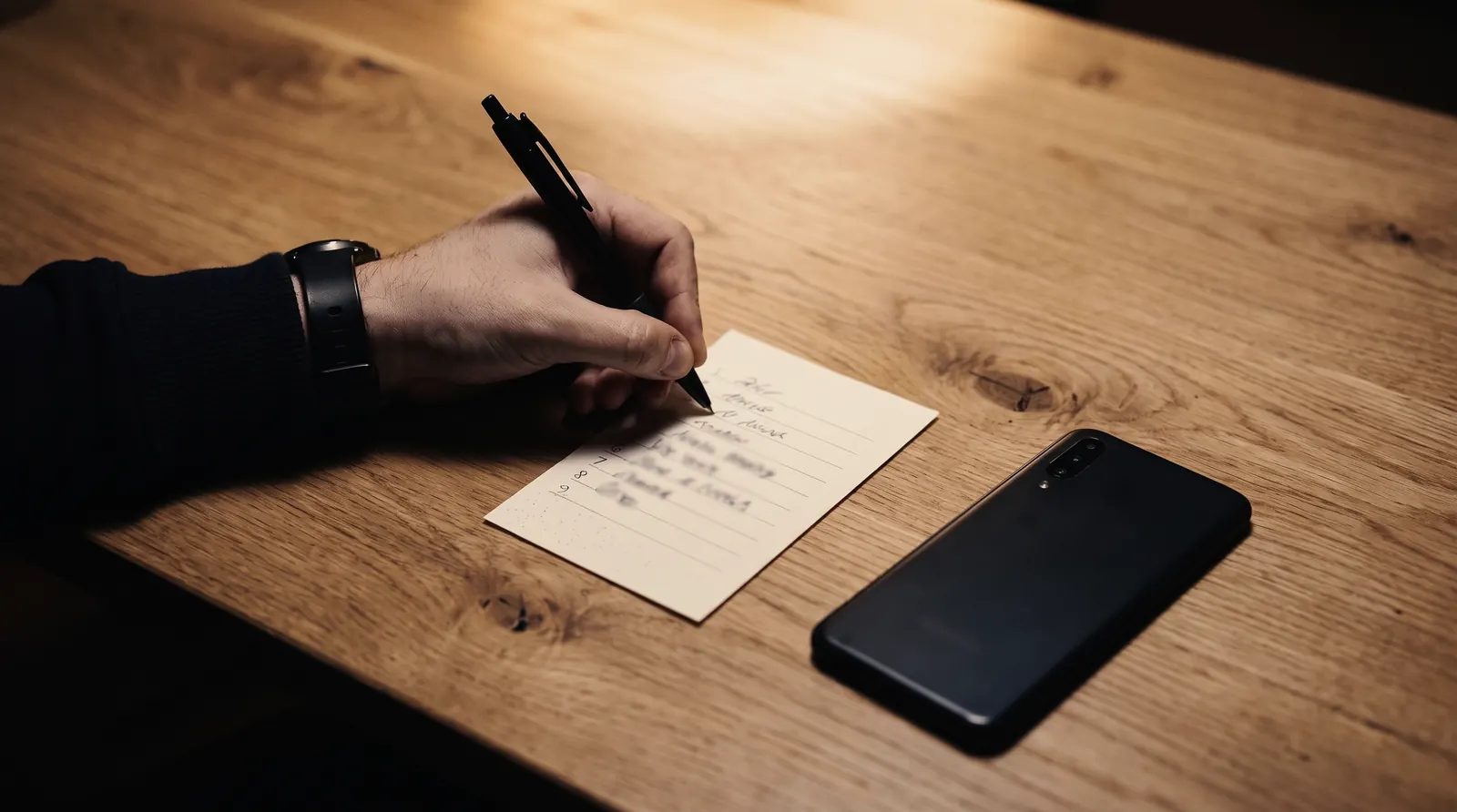
Roll your own randomness
Randomness is the whole of a key's security. A die you can see is randomness you can trust, with no chip and no vendor between you and it. Take one fair six-sided die, in a private room, with no camera and no one watching.
Write the rolls down
Roll the die around ninety-nine times and write the numbers in order on paper. That is enough randomness for a full-strength key. Do not skip a roll you dislike and do not reorder them. The sequence is the secret.
Turn it into a key, offline
On the signer, a device that has never been online, such as a dedicated phone, enter the rolls into the wallet to build your recovery words and your addresses. The private key is born on that offline device and never leaves it. Write the recovery words on paper the same way.
Protect the paper like cash, because it is cash. Keep two copies in two places. Stamp the words into metal and fire and water cannot take them. Destroy any working notes. Never type your rolls, your key or your words into a device that has ever been online: they go only into the signer, which never has been.
Two.
Receive, with only the paper.
Share the address
Your address is public and safe to hand out. Read it from the offline device once, write it down or show its code, and give it to whoever is paying you. The matching private key stays on your paper.
The money arrives
The sender sends to that address on the network you name. It settles on the public chain, as it would for any address. You did not go online. You did not install anything. You held out a piece of paper and were paid.
Check it any time
When you want to see the balance, enter the address on the balance page or any public block explorer. With the TELRPC Wallet, one short call brings it home. Still no account.
Three.
Send, with a phone call.
The tones you press are your transaction, travelling as sound.

Build it on the offline device
On the air-gapped signer, with your paper key, enter who you are paying and how much, and sign. The device turns your signed payment into a string of ordinary digits: a USDC transfer is a few hundred digits, about 95 seconds of tones when the wallet keys them. Write that string down. This is the only step that needs a computer, and it never goes online.
Phone it in, from anything
Pick up any phone, even a borrowed 2G handset with no apps and no data. Call the TELRPC number for your country from the numbers to call, or the US line where your country has none. When the line answers, key in your digits at a steady pace. The tones you press are your transaction, travelling as sound.
The grid broadcasts it
The grid listens to your tones, rebuilds your exact signed payment, checks it, and hands it to the blockchain. It holds no keys and cannot change who you pay or how much, because any change would break your signature. If a tone is lost, the checksum refuses the payment and nothing is broadcast; key the same digits again. The line tells you when it is done.
What keying it sounds like.
A real TELRPC frame, keyed as the tones a phone sends. Sound plays only when you press.
*103175824609317#
If you carry the TELRPC Wallet, it keys the tones for you with one tap, redials by itself if a call drops, and checks the grid's confirmation against the transaction it signed. How the echo and self-healing calls work
Keying the digits by hand shows how little the rail needs: a paper key, one offline signer and any telephone, even a payphone. See the numbers to call
When the internet is watched, throttled, or simply gone.
A blackout. A border. A place where the network is listened to or switched off. A phone too old to run an app, or a choice never to put a key on a connected one at all. The paper holds your money. The call moves it. Nothing in between can reach your key, because there is no network path to it.